Montana winters place serious demands on every type of roof. Heavy snow, ice buildup, freezing temperatures, and sudden thaws all put stress on roofing systems, but not all roofs are built the same. Residential homes and commercial buildings are designed differently, which means their roofing needs in cold climates also differ.
Understanding how residential roofing systems and commercial roofing systems perform during winter helps property owners make smarter decisions about maintenance, repairs, and long-term protection. In regions like Billings, where winter weather is intense and unpredictable, choosing the right cold climate roofing approach matters.
At Donahue Roofing & Siding, we’ve worked on both residential and commercial roofs across Montana since 1997. Our experience gives us a clear understanding of how different roof types respond to winter conditions, and how to keep them protected.
The Biggest Difference: Roof Shape
One of the easiest ways to understand the difference between residential and commercial roofs is their shape.
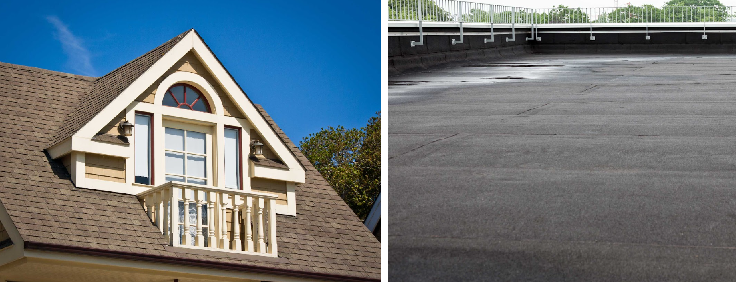
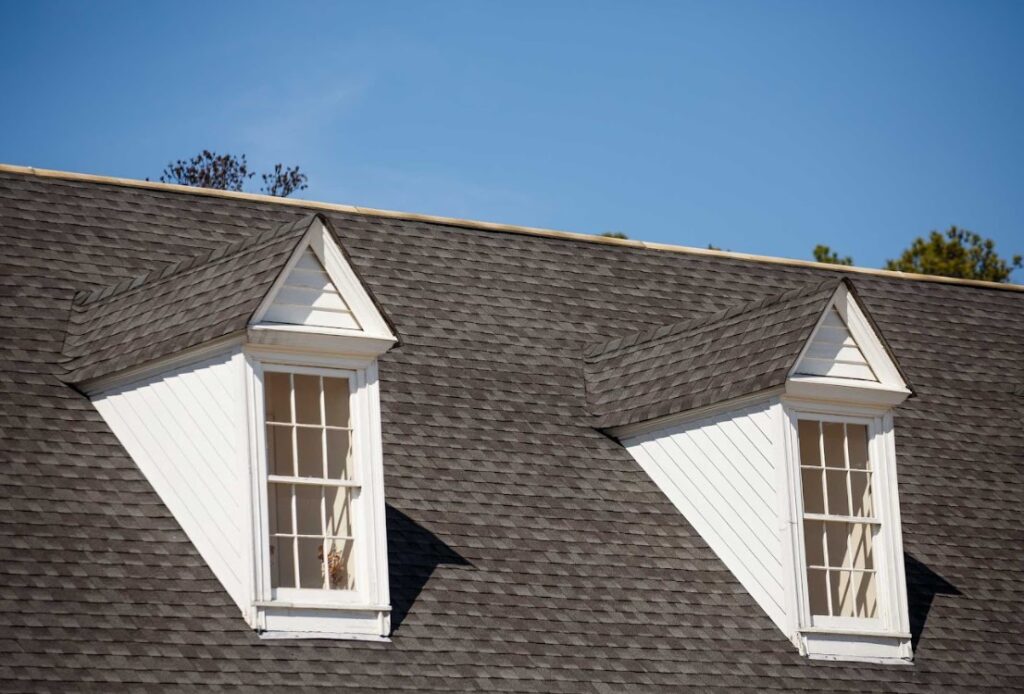
Most residential roofs are sloped. This helps snow and ice slide off more easily, reducing how long weight stays on the roof. Commercial roofs are often flat or low-slope, which means snow and ice tend to sit longer before melting or being removed.
In winter, this leads to different concerns:
- Residential roofs focus on shedding snow and preventing ice dams
- Commercial roofs focus on managing snow buildup and drainage
Neither is “better,” they’re just designed for different needs.
Residential Roofing Systems in Cold Climates
Residential roofing systems are designed to protect homes while also contributing to curb appeal. In Montana, homes often use asphalt shingles, metal roofing, tile, slate, cedar, or synthetic materials. These systems are built to handle cold temperatures, but winter still creates challenges.
Common winter concerns for residential roofs include:
- Ice dams forming along roof edges
- Shingles cracking or loosening during freeze-thaw cycles
- Leaks caused by trapped snow melt
Good ventilation and insulation play a major role in residential cold climate roofing. When heat escapes through the attic, snow melts unevenly and refreezes near the eaves. Over time, this can push water under shingles and cause leaks.
Regular inspections before and after winter help catch these issues early.
Commercial Roofing Systems and Winter Conditions
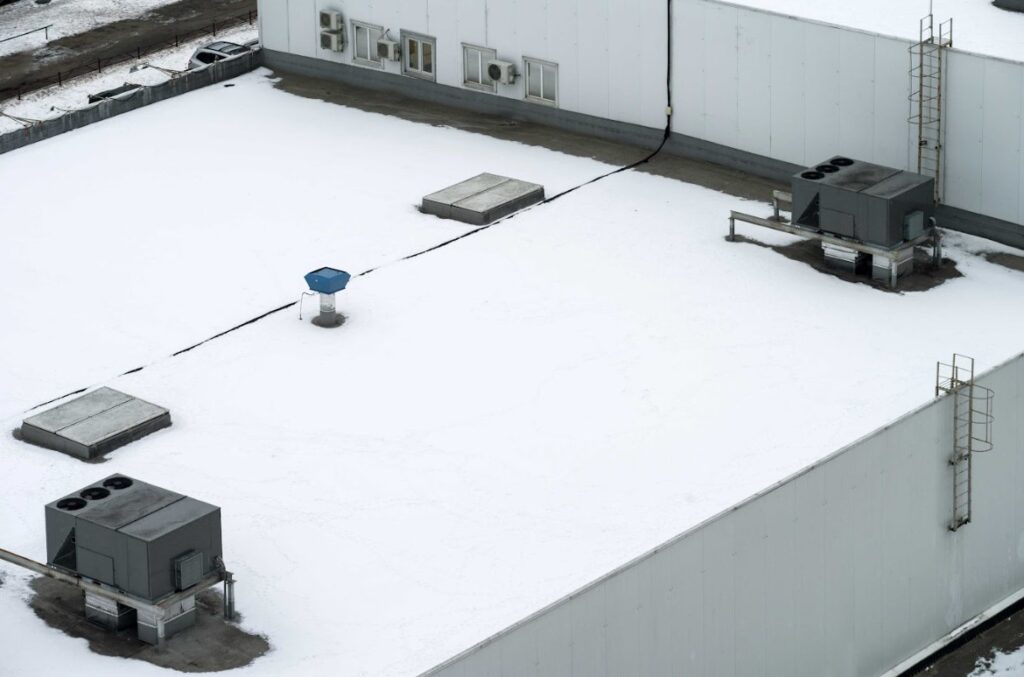
Commercial roofing systems are designed with durability and function in mind. Because commercial roofs usually cover large areas and have less slope, they must safely handle snow sitting on the surface for extended periods.
In winter, commercial roofs commonly face:
- Snow accumulation across wide roof areas
- Ice forming around drains and roof penetrations
- Water pooling during brief thaws and refreezing overnight
This makes routine maintenance especially important. Even small drainage issues can lead to bigger problems if snow and ice are allowed to build up unchecked.
Maintenance Looks Different for Each Roof Type
Another key difference between residential and commercial roofing systems is maintenance.
Residential roofs usually need:
- Seasonal inspections
- Gutter checks and cleaning
- Repairs after winter storms
Commercial roofs typically require:
- More frequent professional inspections
- Ongoing monitoring of drains and roof surfaces
- Prompt repairs to prevent winter-related damage
Because commercial roofs are larger and less visible from the ground, small issues can go unnoticed longer if inspections are delayed.
Winter Repairs: Why Professional Help Matters
Winter repairs are challenging for any roof, but they’re especially risky without proper experience. Snow-covered surfaces, ice, and cold temperatures make DIY repairs dangerous and often ineffective.
Residential winter repairs may include fixing leaks, replacing damaged shingles, or addressing ice-related issues. Commercial winter repairs often focus on stabilizing the roof, addressing drainage problems, and preventing damage from spreading.
In both cases, calling a professional early can prevent a minor issue from turning into a costly winter failure.
Choosing the Right Cold Climate Roofing Partner
Cold climate roofing isn’t just about materials, it’s about experience. A contractor familiar with Montana winters understands how snow, ice, and temperature swings affect different roof types and knows how to respond safely and effectively.
Donahue Roofing & Siding provides residential and commercial roof installation, replacement, repair, maintenance, and roof coatings, along with free inspections and insurance claims assistance. We also offer affordable financing options to help property owners take action when winter issues arise.
Built for Montana Winters
Founded by former NFL player Mitch Donahue, our company is built on teamwork, resilience, and pride in quality workmanship. Those values guide every project, whether it’s a family home or a large commercial property.
Protect Your Roof Before Winter Takes Its Toll
Understanding the differences between residential roofing systems, commercial roofing systems, and the demands of cold climate roofing helps property owners stay ahead of winter damage.
Contact Donahue Roofing & Siding today to schedule a free inspection and make sure your roof is prepared for Montana’s toughest winter conditions.