Winter in Montana can be harsh on homes and commercial buildings alike. Heavy snow, freezing temperatures, and repeated thaw cycles all put added stress on roofing systems. While many property owners focus on shingles or exterior materials, one of the most important, and often overlooked, factors in winter roof performance is proper ventilation.
At Donahue Roofing & Siding, we’ve seen firsthand how balanced ventilation can make the difference between a roof that weathers winter smoothly and one that develops leaks, ice dams, or premature damage. Since 1997, our team has helped Billings property owners protect their roofs by addressing not just what’s on top of the house, but what’s happening underneath it as well.
Why Roof Ventilation Matters in Winter
Roof ventilation is designed to regulate temperature and moisture levels inside your attic or roof system. During winter, this balance becomes especially important. When warm air from inside the building rises and gets trapped in the attic, it can heat the roof surface unevenly. That uneven temperature is one of the leading causes of winter roof damage.
Understanding the roof ventilation benefits helps explain why ventilation plays such a critical role in protecting your roof throughout Montana’s long winters.
How Poor Ventilation Leads to Ice Dams
Ice dams will begin to form when the snow on your roof melts, flows down toward colder eaves, and refreezes. Over time, this creates a ridge of ice that prevents proper drainage. Water backs up behind the ice dam and can work its way under shingles or roofing materials, leading to leaks, insulation damage, and interior water stains.
One of the most effective strategies for ice dam prevention is maintaining consistent roof temperatures, and that starts with proper attic ventilation. When warm air is allowed to escape and cold air circulates properly, the roof surface stays closer to the outside temperature, reducing melt-and-refreeze cycles.
The Importance of Balanced Attic Airflow
Effective attic airflow relies on balance. A properly ventilated attic allows fresh air to enter at lower points and exit near the roof peak. This continuous movement helps remove excess heat and moisture before they can cause problems.
When airflow is restricted or unbalanced, moisture can accumulate in the attic. In winter, that moisture may condense on cold surfaces, leading to mold growth, wood rot, and insulation breakdown. Over time, these issues weaken the roofing system and can shorten its lifespan.
Additional Roof Ventilation Benefits
Preventing ice dams is just one advantage of good ventilation. Other important benefits include:
- Reduced moisture buildup that protects rafters, decking, and insulation
- More consistent indoor temperatures improve comfort
- Lower strain on roofing materials, supporting long-term roof durability
- Improved energy efficiency by helping insulation perform as intended
These benefits apply to both residential and commercial properties, particularly in climates like Billings, where temperature swings are common.
Ventilation and Roof Design Go Hand in Hand
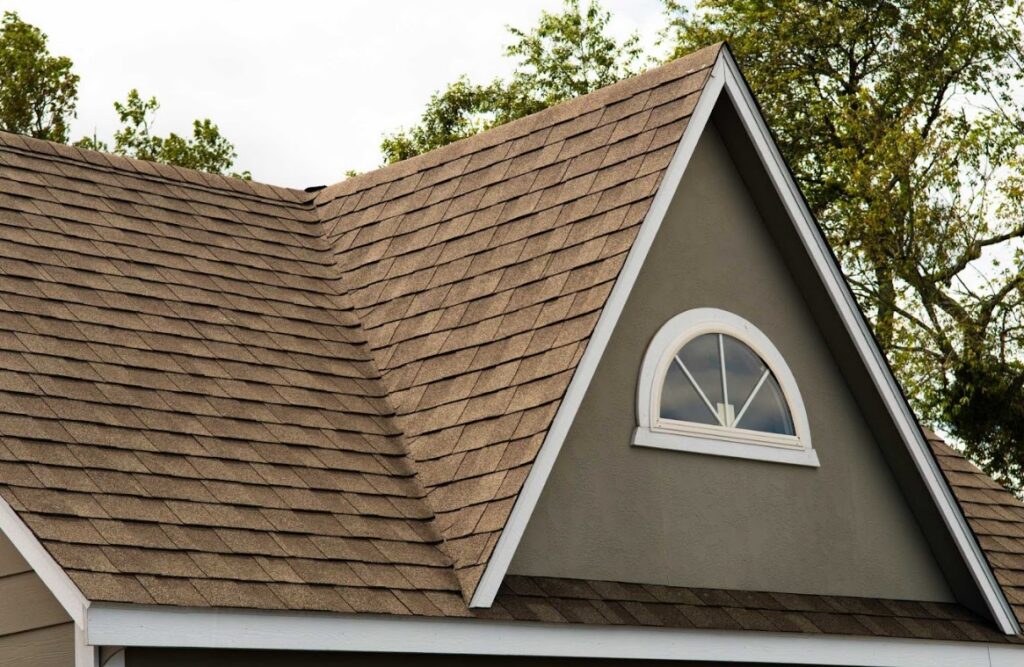
Ventilation works best when it’s considered as part of the entire roofing system. Roof pitch, insulation levels, and material choices all influence how air moves through the attic or roof cavity.
That’s why professional evaluation matters. At Donahue Roofing & Siding, we don’t take a one-size-fits-all approach. During inspections, we look at how ventilation, insulation, and roof structure interact, especially when diagnosing winter-related issues like ice dams, leaks, or condensation.
Why Winter Damage Often Goes Unnoticed
One challenge with ventilation-related problems is that they aren’t always obvious right away. Ice dams may appear only during certain weather conditions, and moisture issues can develop slowly inside the attic before signs show up indoors.
Routine inspections are essential, particularly before and after winter. Identifying ventilation issues early can prevent more extensive damage and costly repairs down the road.
Our Approach to Winter Roof Protection
With decades of experience in Montana, Donahue Roofing & Siding understands how local weather impacts roofing systems. We provide thorough inspections, honest assessments, and practical recommendations to help property owners protect their roofs through every season.
When winter storms hit, our team is also available for emergency services, including temporary repairs, tarping, storm damage assessments, and insurance claim assistance. Our goal is to help you address issues quickly and confidently, with solutions built to last.
Is Your Roof Properly Ventilated?
If you’re dealing with ice dams, uneven roof wear, or unexplained winter leaks, ventilation could be part of the problem. Ensuring proper attic airflow is one of the most effective ways to shield your roof and avoid winter damage.
Contact Donahue Roofing & Siding today to schedule a free inspection. With a dedication and passion for quality, integrity, and long-term performance, we’re here to help your roof stand up to Montana winters.